Two tomatoes have the same micronutrients?
A growing body of research says no.
We help farmers co-fund lab testing of their produce, so people know they are buying truly nutritious food.
The problem
We judge food by its label or its looks.
A pretty skin or a label doesn’t tell you what is inside the food. Organic, bio and local describe how food was grown, but they don’t mean the food is healthy.
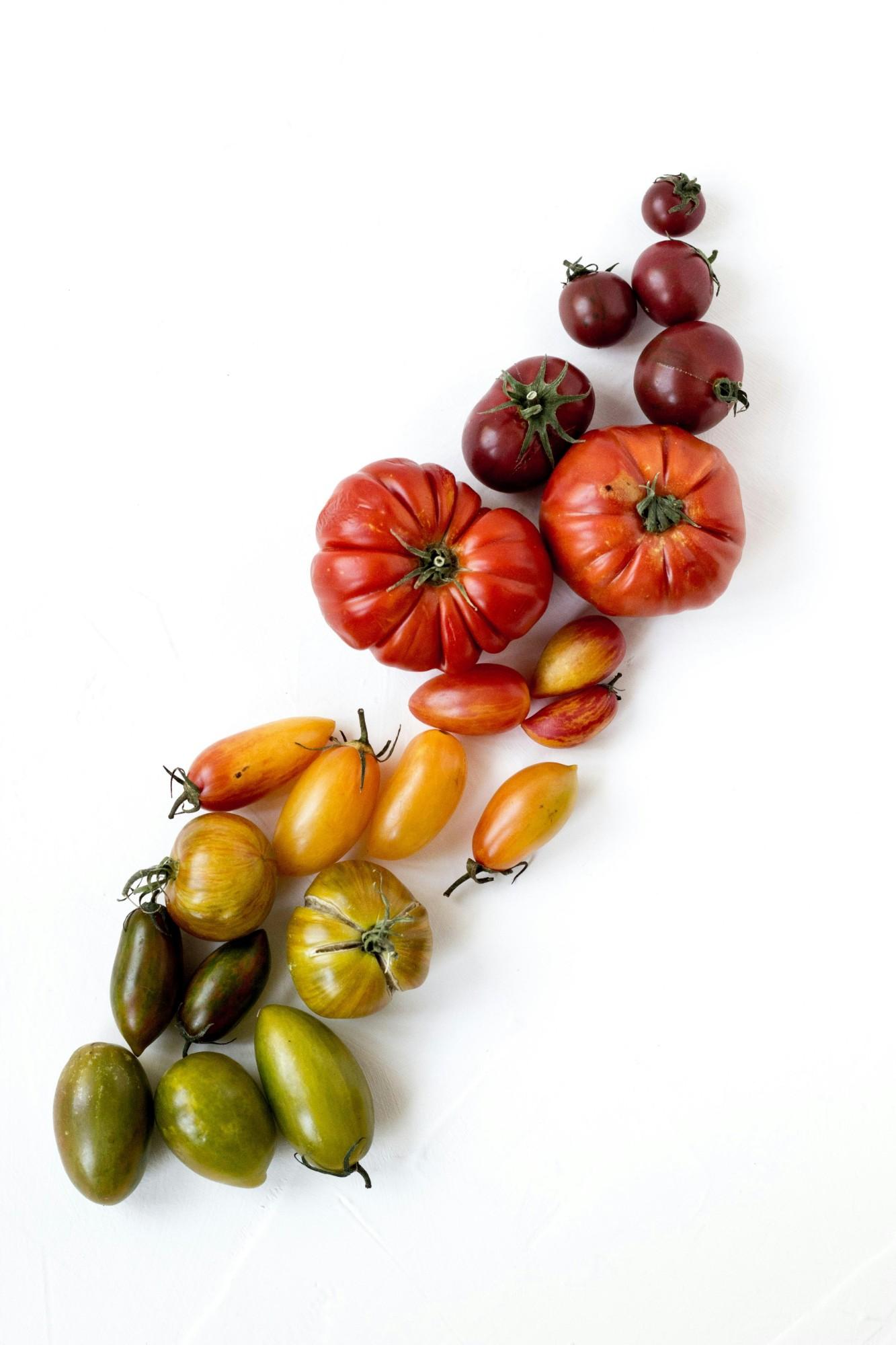
Studies* of fresh produce report that the same crop can vary several-fold in some nutrients. There are indications that the nutritional value of food is higher when life in the soil is thriving.
* Sources to be added.
You may get the same amount of vitamin C from 1 orange or from 3.
That’s why you may be eating only local or organic food and still lack one or more vitamins or minerals.
Illustration of the variation reported within one crop.
How it works
Four steps, the same for every farm.
- 01
A farm launches a campaign
The farm picks a crop, puts in its own share and agrees the publishing rules before anything is tested.
- 02
Customers fund it, a partner matches
Customers back the test and get rewards. A partner such as a retailer or foundation matches what they give.
- 03
Independent sampling, accredited lab
A sampler takes fruit at random from real shipments, alongside a retail sample, and sends both to an accredited lab.
- 04
Backers get the results
Everyone who funded the test receives the results first. They go public only if the farm agrees; otherwise they join the database anonymised.
Panels unlock as funding grows
Every campaign starts with a Core panel. Extended and Full panels are stretch goals.
- ACoreVitamin C · Brix (sugars) · Acidity · Dry matter · Potassium (K) · Calcium (Ca) · Magnesium (Mg) · Iron (Fe) · Zinc (Zn)Example: €2,800
- BExtendedPolyphenols · Antioxidant capacity · Carotenoids · NitrateExample: €4,600
- CFullPesticide residue screen · Heavy metals · Shelf-lifeExample: €7,200
Who it’s for
One record, three reasons to use it.
Show what your work on the soil does to your crop.
- Lab tests at a fraction of the cost, shared with the people who buy from you.
- A protocol and lab you didn’t have to design or vouch for yourself.
- You decide before testing whether results go public under your name. If not, they join the database anonymised.
- Results tied to your practices, season after season, so you can see what changes.
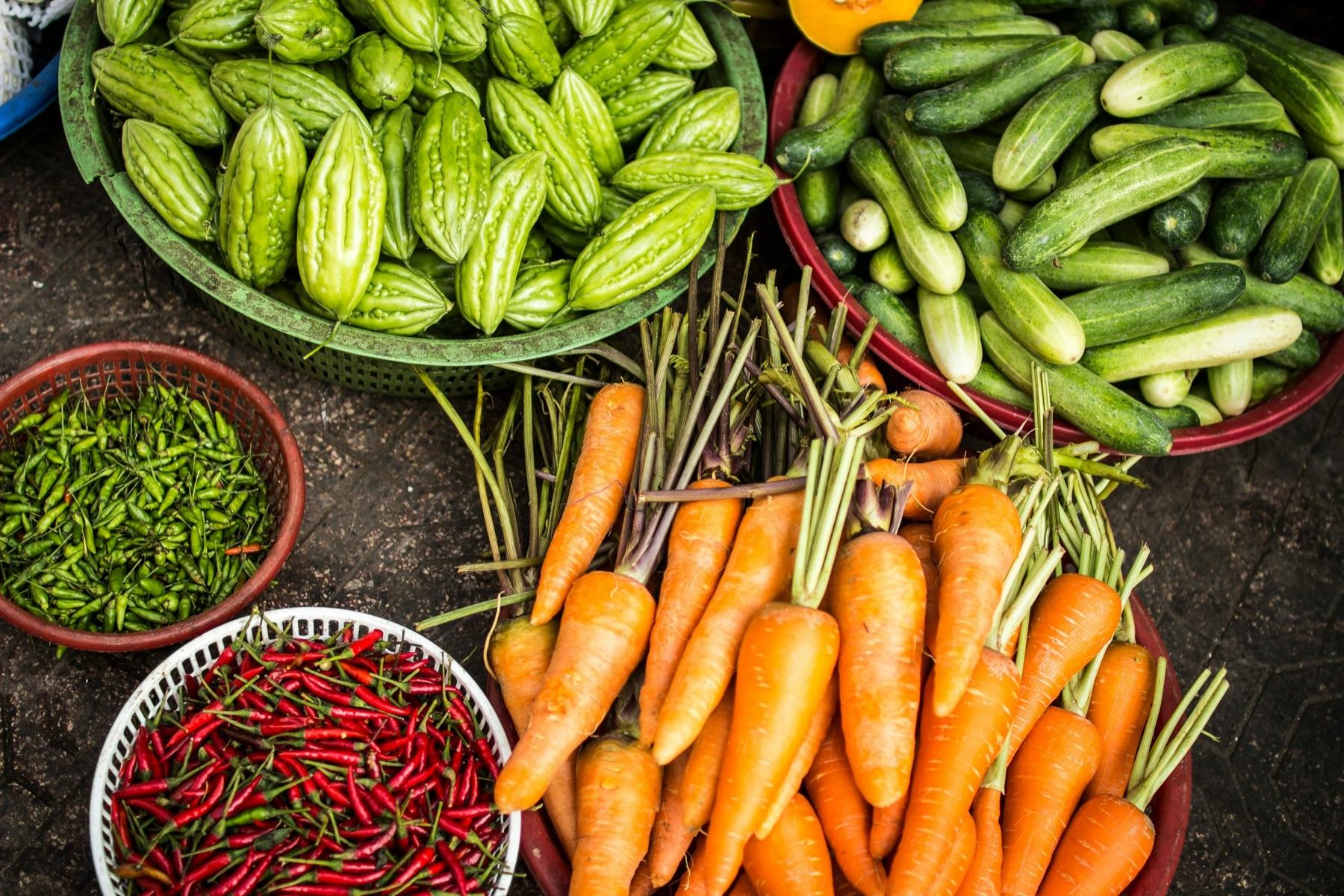
Sell on what’s measured, not only on the label.
- Match a campaign for the farms you buy from and put your name to the method.
- Results you can show in store, online or on the box, with the context next to them.
- Compare suppliers on the same protocol, crop by crop and season by season.
- Funding is always disclosed, so the result stays credible for you as well.
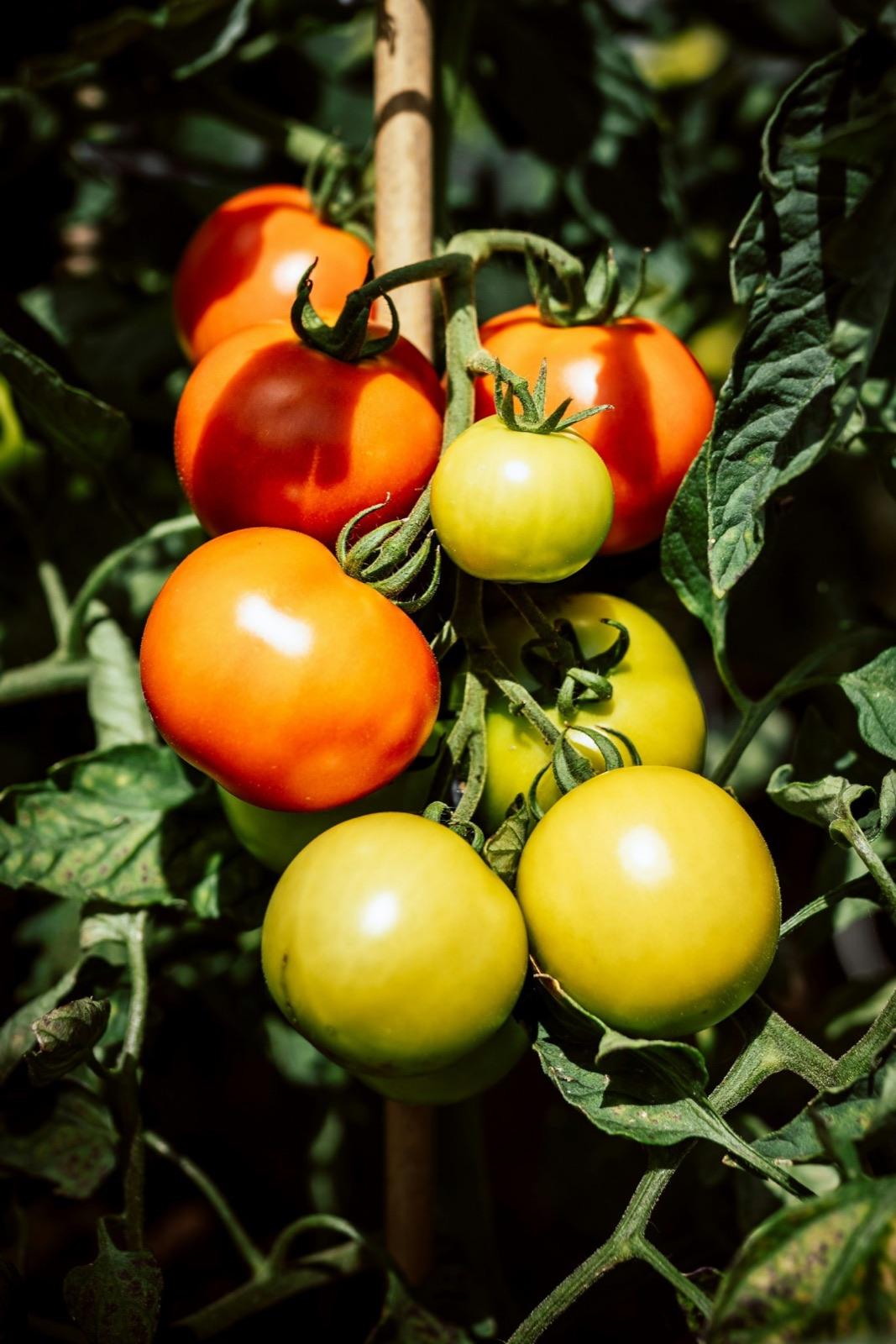
Know a little more about the food you buy.
- Back a test for a farm you buy from and receive the results, plus produce or a visit.
- Backers see every result, including the average ones, not only the good news.
- Read plain-language results that say what stands out and what doesn’t.
- If the farm agrees to publish, everyone can see the results too.
An open method
Protocols per crop are public, versioned and the same for every farm.
Rules agreed before testing
What gets published, and how, is settled before a single sample is taken.
Backers see every result
Average and below-average results go to backers too, next to the conditions that shaped them. The farm decides what goes public.
Funding always disclosed
Who paid, and how much, is printed on every campaign and every report. Our fees never depend on the outcome.
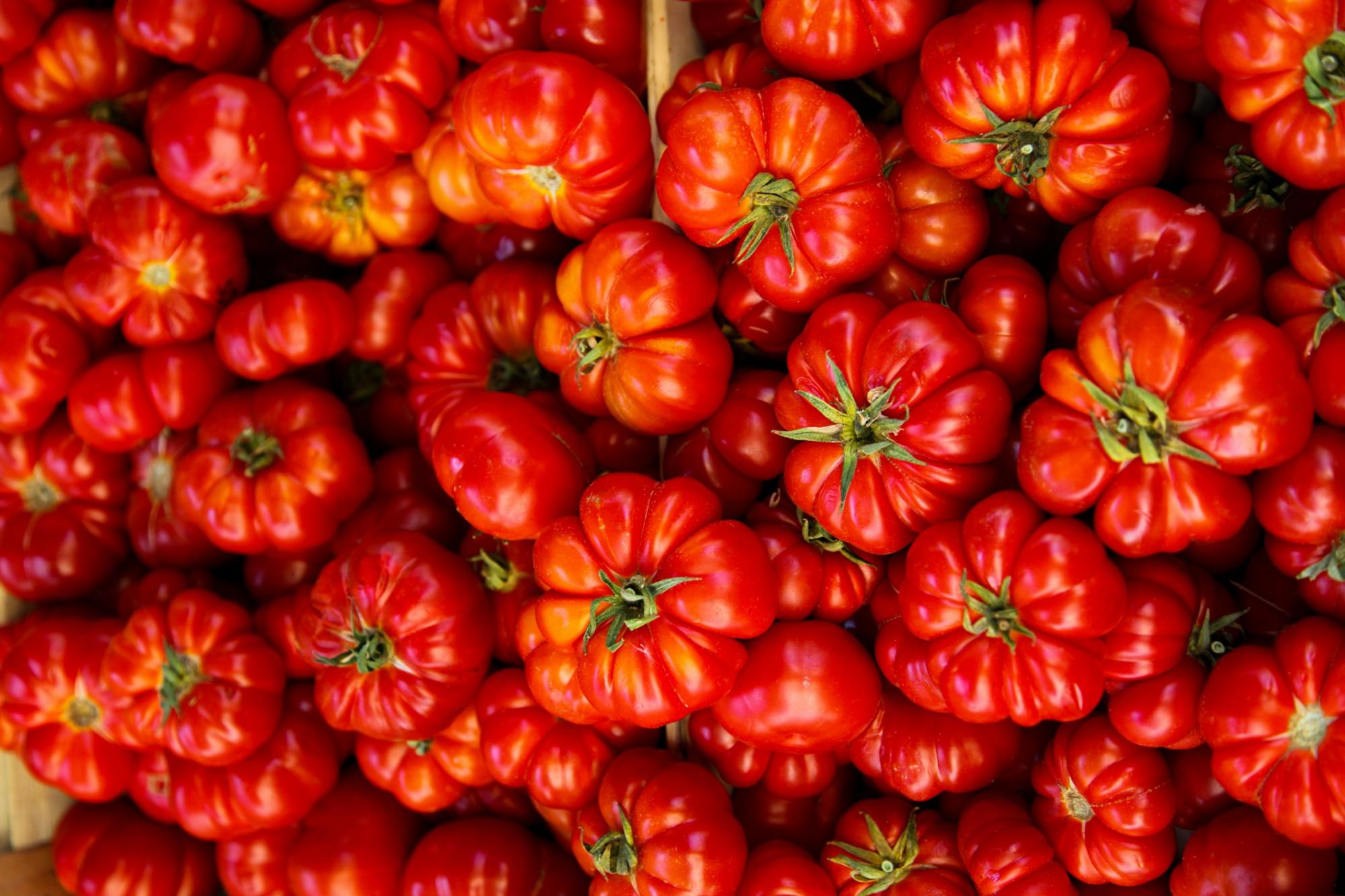
Pilot 2027
Join the pilot.
We’re starting with a small group of farms, sellers and partners in Spain. Tell us who you are and what you grow, sell or study.
- Farms: one crop, one season, first campaign set up with us
- Sellers and partners: match a campaign or co-design a protocol
- Researchers: help shape the methods and the open reference